
-
March 2024 — Bonus Episode (Problematic Authors)
The conversation you are about to listen to was prompted by a TikTok snippet from Dietrich Stogner that Rodney sent to his co-hosts. The video in question was the creator’s response to a fan query about why he doesn’t recommend Ender’s Game by Orson Scott Card when making sci-fi recommendations to viewers. The reasoning is simple (and obvious if you know anything about Orson Scott Card): the author’s problematic stance on homosexuals.
This video struck a nerve for the cast of Just In Case We Die. Almost every book that has been featured on this show in the first year of broadcast has been problematic in some way, either for the personal life and politics of the author or because of the content of the book involved. Rodney’s favorite novel is written by a man notorious for a volatile stance against homosexuality. Aaron’s favorite novelist is pretty obviously homophobic despite the overarching message in his works that the human race should be kinder to another. One of Rebecca’s favorite writers revealed himself in word and action to be an elitist snob that doesn’t want you to read his books because he doesn’t believe that you are smart enough to understand them.
How do Aaron, Rodney, and Rebecca reconcile problematic content in the books they recommend? What are their responsibilities as podcasters in this regard? It’s an interesting discussion that lays some groundwork for what listeners can expect in the upcoming year of episodes.
-
#317 “Disappearance” by David Dabydeen
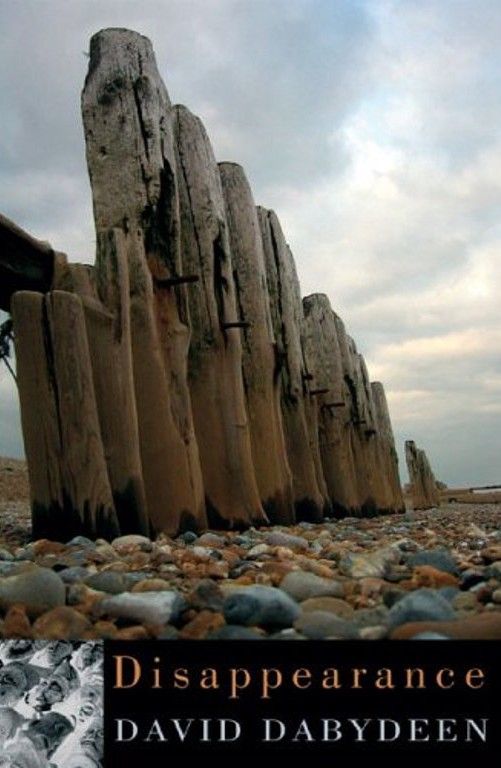
We’re not gonna force you to listen to the entire episode to get to our general unanimous opinion that this book doesn’t belong on a list of books you must read before you die. Aaron’s not even convinced that David Dabydeen actually finished writing it. Rodney got something out of it, though, and he tries very hard to change Rebecca and Aaron’s mind about whether or not there’s actually a point to be made with this tome. Does he succeed?
Just press “Play” on the media player below to find out!
-
February 2024 — Bonus Episode (Let’s Meet Rebecca!)
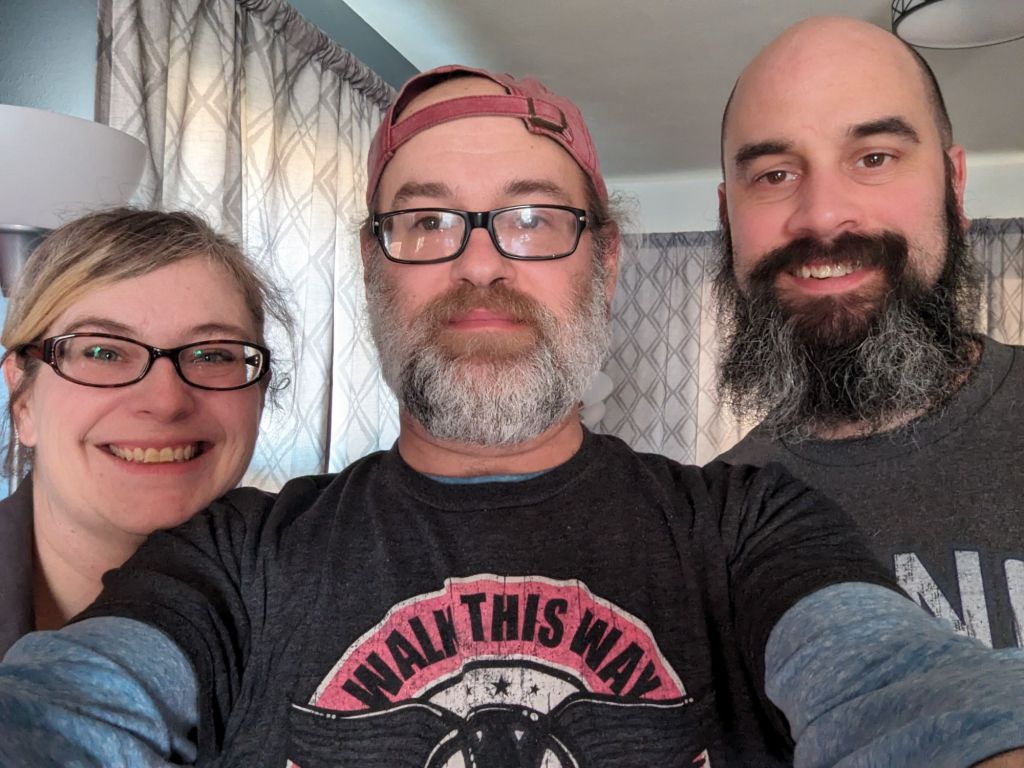
Rodney and I dropped our first episode of Just In Case We Die on February 7, 2023. This means that by the time you read this entry, we will have maintained a consistent release schedule (as well as a consistent core of listeners) for one full year. The episode we’re dropping today is the beginning of our second season.
In the last twelve months, we’ve read and discussed eleven different novels, spanning multiple genres and eras. We’ve gathered enough of a following that we were able to justify recording two episodes a month (that eleventh novel I mentioned — for those keeping count– was featured in bonus content and not part of the curated list from which we derive our content). We’ve done features on our favorite banned books and put an episode-length spotlight on two of our favorite novelists. We have engaged with listeners worldwide and made a few new friends in the process.
Rodney and I both really enjoyed the energy that was created in the studio when we included a guest as part of our discussion. It occurred to us several months ago that we could improve the quality of our show if we added a third person full time, especially in those moments (such as our discussion of William Gaddis’ The Recognitions) when one of us was far more enthusiastic about the novel than the other. Rebecca’s wit, intelligence, and established rapport with us made her an obvious choice. I had to get over my own fear that including my girlfriend would be perceived as nepotism, but that didn’t take long. Rebecca was already a behind-the-scenes member of the Just In Case We Die family, helping Rodney and I make decisions about the podcast and participating in full discussions of the selected novels in the time we spent together offline. Plus, she’s better at technology than I am.
Our bonus episode for February 2024, the first episode of our second year of upload, is an opportunity for listeners to get to know a little bit more about Rebecca. We take some time to let her talk about her interests in reading and some of her favorite writers. She has also created a list of six “veto novels” and this episode is her chance to name them and explain why they are important to her. We hope that you enjoy listening to her as much as Rodney and I enjoy her participation. In our minds, she can only serve to make a podcast that we are already proud of even better.
We absolutely have to start our second year off by thanking you, the listening audience, for your support in our inaugural twelve months. Recording a podcast is a lot more fun when you know that someone is listening, and we are grateful that there are people out there who actually care about our opinions and insights. It is our hope that we can continue to grow that fan-base over the course of the next year.
To hear our bonus episode for February, just push “Play” on the media player below.
-
#486 “The Great Gatsby” by F. Scott Fitzgerald
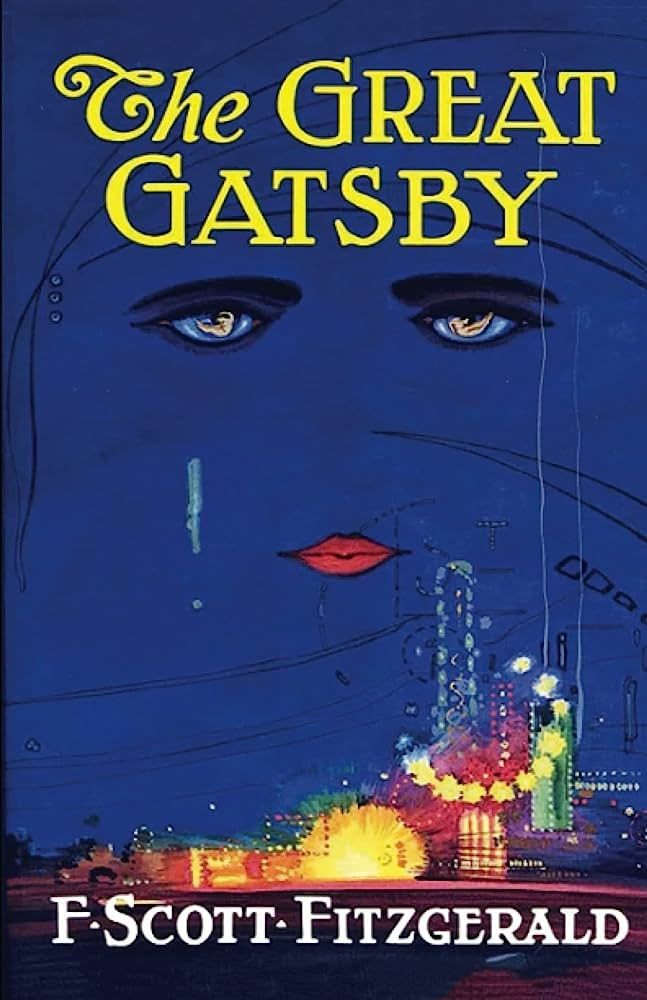
F. Scott Fitzgerald’s The Great Gatsby was published in 1925 to little fanfare. Sales of the novel were poor, and critics of the day could not resist mentioning how “slight” this offering was in comparison to Fitzgerald’s previous efforts as a novelist. It seemed destined to be a footnote in an otherwise noteworthy career.
During WWII, free copies of this novel were donated by the Council on Books in Wartime to American soldiers serving overseas. This prompted a new (and somewhat confounding) interest in The Great Gatsby. Today, this novel is a mainstay of the American educational system and a serious contender for the title of Great American Novel.
Kyra, the co-host of Relatable Nerds, joins us for our discussion of (possibly) the first book we’ve discussed that actually belongs on the list.
Just press “Play” below to hear the latest episode!
-
January 2024 — Bonus Episode (“The Fisherman” by John Langan)

Full disclosure before you listen to this episode: our discussion of this novel does not shy away from spoilers. If you are planning to read this title based on our recommendation, then we urge you to finish the novel before listening.
With that said, we also urge you to read it. It’s a damn fine novel.
John Langan’s The Fisherman ended up on both of our to-be-read piles for two very different reasons. It’s a horror novel of the more cosmic variety (full description of what that means in the episode), but this is horror with cross-genre audience appeal. The story centers around two men who come to terms with the death of their individual spouses by bonding on weekend fishing trips. At Dutchman’s Creek. Where the creepy, weird dude at the diner specifically told them not to go.
To hear our discussion of this sometimes terrifying and often moving novel from 2016, then press “Play” below.
-
#1,138 “The Tenant of Wildfell Hall” by Ann Brontë

This month Aaron and Rodney learned a valuable lesson about not judging a book by its cover. They also learned to not judge a book by a one-sentence blurb on Google. They were expecting a dull, overly dramatic, and schmaltzy 19th-century romance novel, and what they got was a riveting portrait of one woman’s attempt to protect her child from the influence of a deplorable husband by defying the law and moral code.
They loved it.
So did Aaron’s girlfriend, Rebecca, who joins them for this discussion.
Just press “Play” on the player below to hear the newest episode!
-
December 2023 — Bonus Episode (Philip K. Dick)

Philip K. Dick (December 16, 1928 – March 2, 1982) We have made no secret in our discussions for this podcast that we are both tremendous fans of science-fiction. Our collective love for the genre is absolute and actually extends far beyond the authors we admire. It is reflected in the movies we love, the TV shows we DVR, and the obsessions we have carried since childhood. It is actually a source of lamentation for us that more writers and titles in the genre are not included in the list of 1001 Books You Must Read Before You Die.
Because there is a dearth of our favorite genre included in our source material, we don’t get much opportunity to talk about it in our discussions. This is why we jumped at the chance to celebrate the birthday of Philip K. Dick for our bonus material this month. Regardless of the differences in our individual science-fiction tastes, we both agree that Phillip K. Dick (or PKD as he is oft-referenced) is a master of the genre.
Philip K. Dick was also, however, a deeply troubled man. In our discussion, we dive deep into his drug addiction, his mental illness, and his insistence that he was the recipient of divine inspiration from extra-terrestrial beings. We discuss his work and its influence on contemporary culture. We also discuss our own beginnings in the genre of science-fiction and explain why all our favorite science-fiction writers turned into dirty old men.
Just push “Play” below to listen!
-
#991 “The Recognitions” by William Gaddis
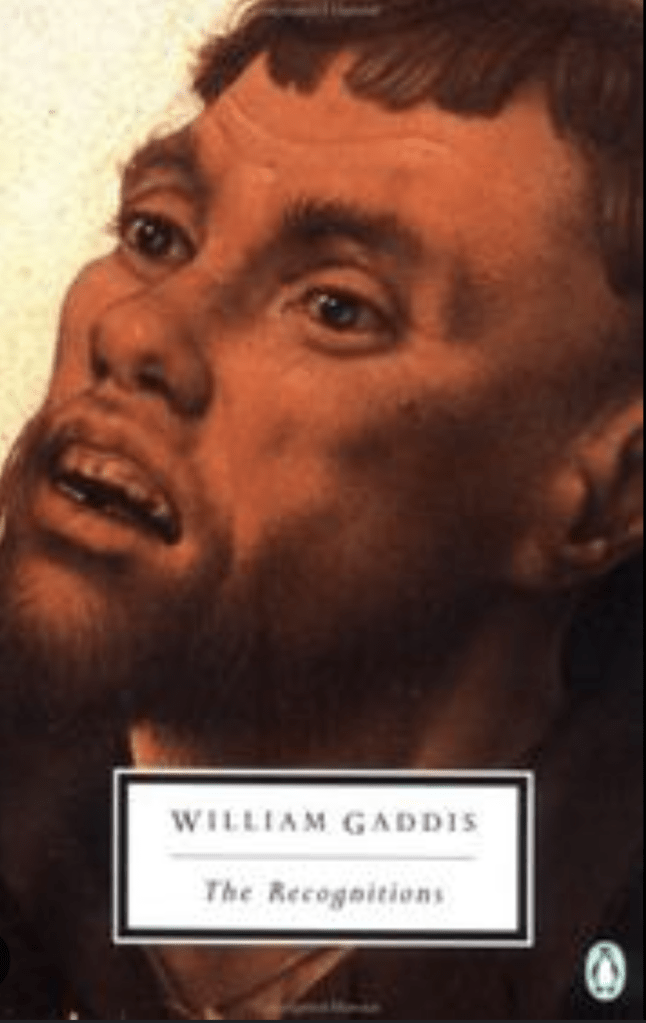
If Aaron were asked to make a top 10 list of his all-time favorite novels, William Gaddis’ The Recognitions would find a spot somewhere in the top 5. This 900+ page masterwork of the beginnings of the post-modern movement spoke to a college-age Aaron in ways that are often hard to articulate. A work that examines the relationship between the artist and his final product, the complicated reasons that the creative can be inspired, and the oft-tumultuous connections between fathers and sons, The Recognitions is a difficult novel that challenges readers with unattributed dialogue, murky character motivation, and long-winded sentences that often have double meaning.
As stated, Aaron adores this novel. Rodney fucking hates it.
Just press “Play” below to hear their discussion about this critically-acclaimed novel that took decades to find an audience.
-
November 2023 – Bonus Episode (Kurt Vonnegut)
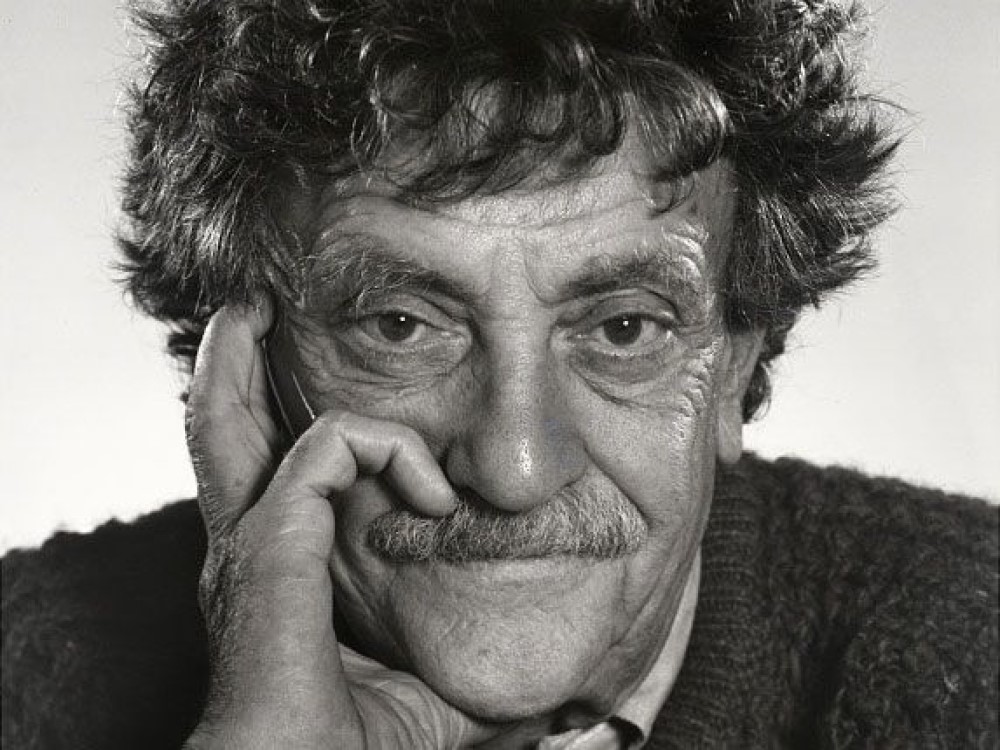
Kurt Vonnegut
November 11, 1922 – April 11, 2007For this month’s bonus episode, Aaron and Rodney are going to take a deep dive into the life and works of American novelist Kurt Vonnegut. Between his humanistic views, his uncanny knack for unintentional world-building, and his macabre sense of gallows humor, there are more than a few qualities that make Mr. Vonnegut’s body of work unique amongst his contemporaries. Our podcast seemed an appropriate place to dissect them as we’ve made no secret in our catalog of episodes that Kurt Vonnegut holds a special place in Aaron’s heart.
In a career spanning more than fifty years, Kurt Vonnegut published fourteen novels, five plays, and multiple collections of short stories and non-fiction essays. He passed away in 2007, but if he were still alive, he would be celebrating his 101st birthday on November 11.
Join us for this lively discussion of Aaron’s favorite novelist by pressing “Play” on the player below.

-
#1,082 “Solitude” by Victor Català
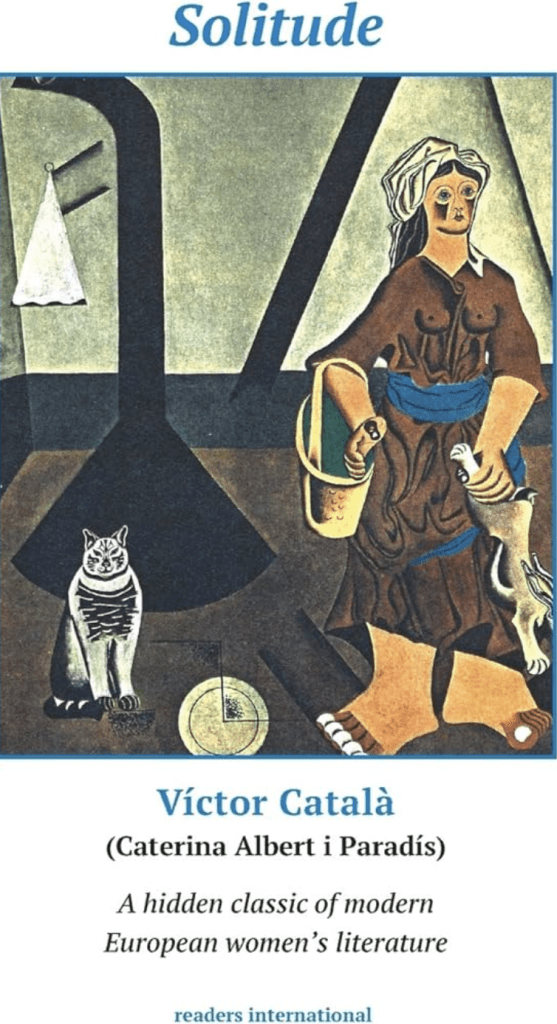
In 1898, Caterina Albert won the prize for literature in the Jocs Florals literary competition. This win sparked a considerable scandal when the jury learned that the author was actually a young girl. As a result, Caterina Albert refused to present her work or accept the award, and from then on she used the male (and snarkily patriotic) pseudonym of Víctor Català for her writings, taking the name from the protagonist of a novel she was planning but never finished.
Unfortunately, this intriguing tidbit of trivia is the most interesting thing about this novel for Aaron. Rodney and Ilsa are a little more generous in their critique. That’s right: this month’s discussion includes their inaugural guest.
Push “Play” below to hear what we had to say!
 Just In Case We Die